
Owning a slice of the practice you already work in feels like the obvious next step. It is also where more young dentists get quietly buried in bad deals than almost anywhere else in the profession.
An associate buy-in should be the cleanest path to ownership in dentistry. You already know the patients. You know the team. You know the numbers — or you think you do. But the gap between “I want to be a partner” and “I understand what I’m actually buying” is where careers stall for a decade.
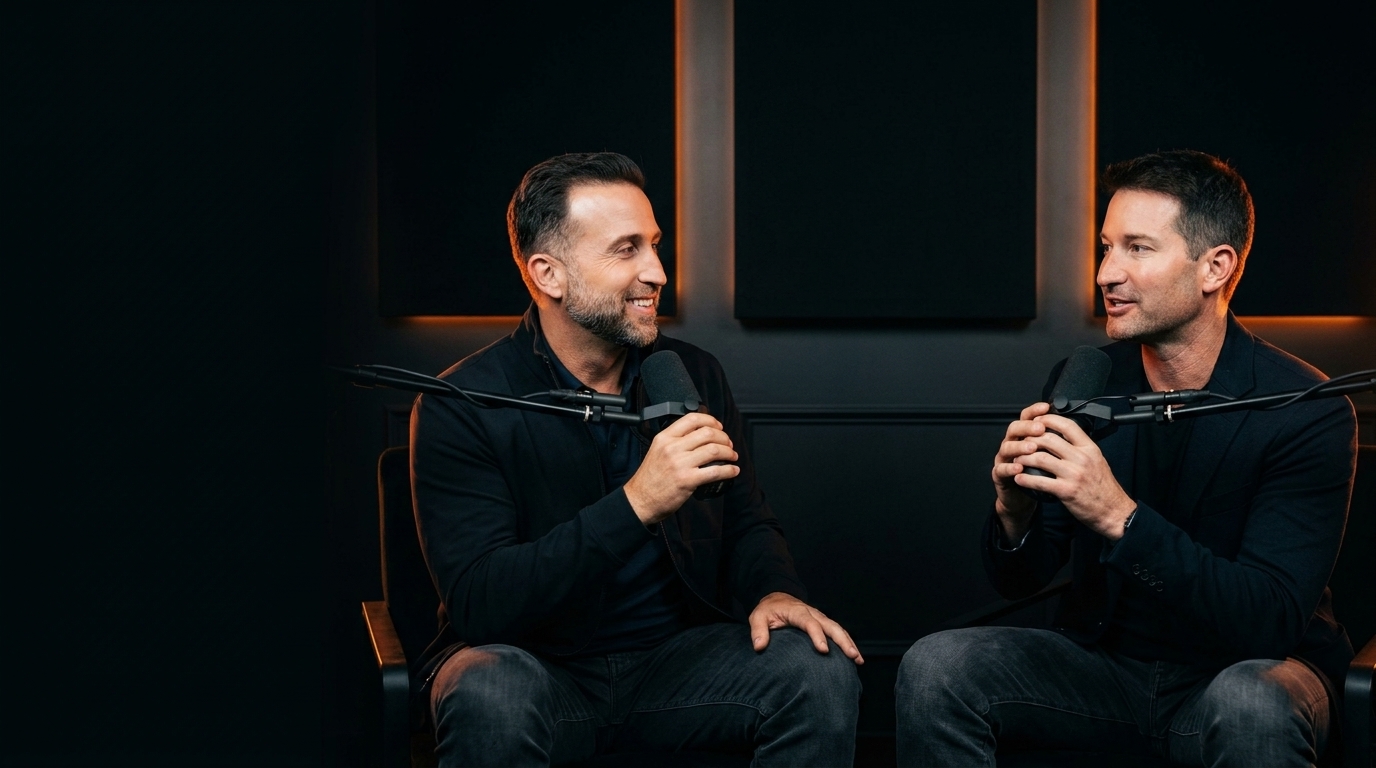
This is the conversation we have on the Bulletproof Dental Practice podcast more than almost any other. So let’s have it straight, no fluff.
An associate buy-in is when an associate dentist purchases equity — a percentage of ownership — in the practice they work in, usually from the founding owner. It is not a raise. It is not a bonus. You are buying an asset, and you are taking on the risk, the debt, and the responsibility that comes with it.
Here is the reframe Craig Spodak drops on the show that stops most dentists cold: “The most common question I get is, how can I add associates and not take a hit in my bottom line? You can’t.” Ownership is not free money. When Craig runs the math out loud — you collect a million, you pay yourself a hundred-thousand salary, are you willing to owe yourself three hundred grand? — the point lands. As he puts it bluntly: most dentists make maybe 5% more because they own a practice, and to get that 5% they work 80% more.
Ownership is worth it. But you buy it with your eyes open, or you don’t buy it at all.
The number one place buy-ins go sideways is valuation. The founder feels the practice is worth what they’d sell it to a DSO for. You feel it’s worth what you can afford. Neither feeling is a valuation.
There are three real structures, and each one changes your life differently:
Pete’s tactical rule: whatever the structure, model the after-debt, after-tax cash actually landing in your account for the first 36 months. If ownership makes your take-home go down for three years, that’s fine — as long as you decided it on purpose instead of discovering it in April.
“Golden handcuffs” is the deal that looks generous and functions as a cage. The associate gets a title, a small percentage, and a promise of “more later” — but the operating agreement gives them no real control, no clear path to majority, and no clean way out.
Watch for these clauses before you sign anything:
The technical stuff — valuation, financing, legal — determines whether the deal is fair. But alignment determines whether the partnership survives. And this is Craig’s territory, the heart of it.
The buy-ins that work are between two people who want the same future. The ones that implode are between an owner who wants to slow down and cash out and an associate who wants to grow and build — or the reverse. Same practice, opposite dreams. No operating agreement can fix a values mismatch.
So before the lawyers, before the valuation, you and the owner need the uncomfortable conversation: What are we building, for how long, and what does “winning” look like for each of us in ten years? If you can’t answer that together in one sitting, you are not ready to be partners — no matter how good the number looks.
An associate buy-in is one of the most powerful wealth-building moves in dentistry and one of the easiest to get wrong. The difference is never luck. It’s whether you walked in with the real math, the right advisors, and a partner whose vision matches yours.
Here’s the truth we keep coming back to: dentistry is a lonely profession, and nowhere is it lonelier than trying to negotiate the biggest financial decision of your life across the table from your boss, with no one in your corner who’s actually done it. That’s the whole reason Bulletproof exists.
Inside the Bulletproof Mastermind, owners and rising partners pressure-test these exact deals with people who have structured them, blown them up, and rebuilt them — before the ink dries, not after. And every year at the Bulletproof Summit, we get in a room and have the conversations you can’t have anywhere else in the profession. You don’t have to figure the buy-in out alone. You were never supposed to.
Come find your people. Because this is for the 1% of dentists, who want 100% from life.