Let’s kill the fantasy first. A CEREC unit does not make you money because it’s shiny. It makes you money — or bleeds you dry — based on one number: how many units you actually mill per month. Everything else is a rounding error.
Too many owners buy a six-figure chairside system on a wave of trade-show adrenaline, run 3 crowns a week on it, and then wonder why the lease feels heavy. The technology is not the problem. The utilization is. So before you sign anything, run the math like an operator, not a hobbyist.
A full chairside setup (scanner + mill + oven/furnace, plus training and financing) lands in the ballpark of a serious capital commitment — think in the range of a luxury vehicle, financed over 5 years. Add ceramic blocks (a few tens of dollars per crown), burs that wear out, maintenance, and the software subscription. That’s your real cost per unit, and it climbs the fewer crowns you do.
Here’s the uncomfortable inversion: a lightly-used mill is the most expensive crown factory in the world. Spread a monthly lease across 6 crowns and each one carries a brutal overhead load. Spread it across 30 and the machine practically prints.
Three levers — and only one of them is the obvious one:
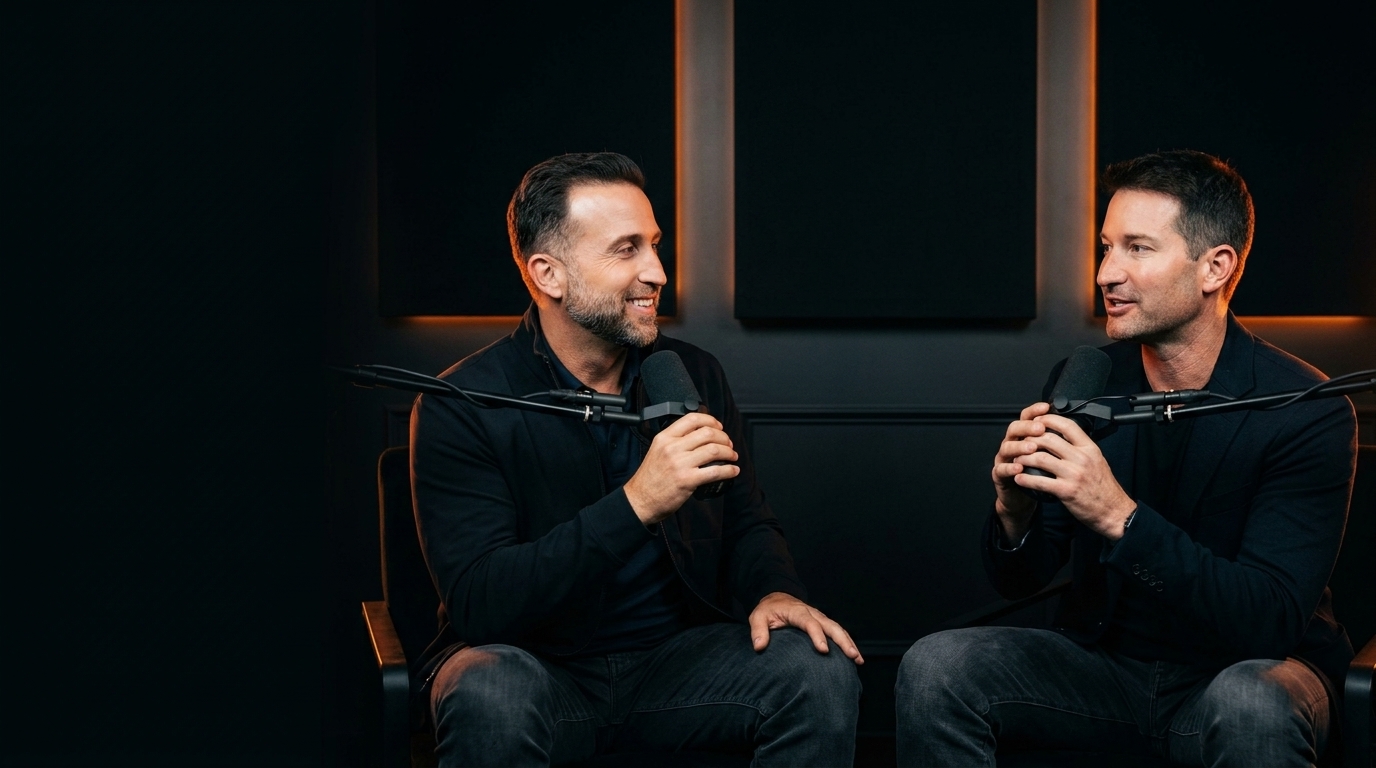
On the podcast, Pete Boulden has hammered this point about the true cost of practice technology: when Craig Spodak runs a large multidisciplinary facility and Pete runs multiple locations, they’ve watched the cost of doing dentistry climb immensely because tech now demands CBCTs, scanners, printers, and mills at every chair. As Craig put it, seven locations can mean seven of everything. The lesson isn’t “avoid technology” — it’s never buy capacity you won’t saturate.
Skip the vendor’s rosy spreadsheet. Do this napkin version:
For most general dentists, the honest break-even lands somewhere in the range of a handful-to-a-dozen units a month — and the practices that win aren’t running at break-even, they’re running at 3x it. If you can’t confidently commit to a steady monthly crown volume above that line, you don’t have a technology problem, you have a diagnosis-and-case-acceptance problem. Fix that first, then buy the mill.
This is the sleeper ROI nobody puts on the spreadsheet. Craig Spodak has talked openly about how scanning and CAD humbled him: “seeing your tooth occupy a full 16-inch monitor screen is humbling.” Michael DiTolla, the Glidewell veteran, admitted that when he started doing digital impressions he was so embarrassed by his margins on-screen that he’d turn the monitor away from his assistant.
That embarrassment is a feature. The screen forces better preps, cleaner margins, and honest self-evaluation — the exact discipline that historically only came from a lab technician sending your work back. DiTolla’s data from the lab side is the reason this matters: dentists think their crown-fit rate is “in the upper 90s,” but when you actually measure, it can be closer to 63%. A chairside workflow that shows you the truth in real time closes that gap. Better dentistry is the ROI, because remakes, adjustments, and unhappy patients are all silent margin killers.
Be defiant about your own numbers. Walk away — for now — if:
Buy it when you already have the case volume, you’re bleeding money and days to an outside lab, and you’re ready to treat it like a production asset you saturate — not a toy you show off.
Same-day crowns are one of the clearest examples of the Bulletproof thesis: clinical excellence is the floor, not the ceiling. The CEREC doesn’t make you elite. Saturating it, mastering it, and using it to reclaim your time and elevate your dentistry does. The 1% of dentists don’t buy technology to look modern — they buy it to buy back their calendar and raise their standard of care at the same time.
This is exactly the kind of numbers-first, no-hype decision we pressure-test together every day. Hear how Pete and Craig break down the business of dentistry on the best dental podcast for practice owners. Bring your capital-equipment questions into the room with dentists who’ve already run the math at Bulletproof Summit, and join the owners building practices that give them their life back inside the Bulletproof Mastermind.
Dentistry doesn’t have to be a lonely profession. You’re not alone, and the best is yet to come.
The 1% of dentists, who want 100% from life.