Most dentists lose the cosmetic case in the first 90 seconds — not because of price, and not because of clinical skill. They lose it because they walk into the room in “sales mode.” The patient feels it, braces for the pitch, and the wall goes up. The uncomfortable truth: the dentists closing the biggest smile cases in the country are the ones who stopped selling entirely.
On the Bulletproof Dental Practice Podcast, Pete Boulden and Craig Spodak dug into exactly this with cosmetic authority Dr. Brian Harris. What came out wasn’t a script. It was a completely different operating system for treatment planning elective dentistry — one built on transparency, not tactics.
Here’s the number that should reframe how you think: national case acceptance for elective cosmetic work runs roughly 30–50%. Half your qualified consults walk. Most owners respond by tightening the pitch, adding urgency, adding scripts. It backfires.
Craig said it bluntly on the show: “Highly social people oversell. We don’t know when to shut up.” That’s the trap. The confident, charismatic dentist talks the patient out of the case by filling every silence, hammering features, and turning a human conversation into a performance.
Pete’s counter is pure tactics: by the time a patient has taken time off work, driven to your office, parked, and walked through your door, they have already mostly decided. They did the research. They read the Google reviews. They stalked your Instagram. As Craig put it, “They just want to make sure you don’t screw it up.” They’re looking for confirmation bias — a reason to say yes. Your job isn’t to convince. It’s to not get in the way.
Before any imaging, any wax-up, any number — the highest-leverage move is a single question: “Why now?”
A patient thought about veneers for eight years and finally booked. Something changed. A divorce. A reunion. A promotion. A photo they couldn’t stand. That “why now” is the entire emotional engine of the case. Find it, reflect it back, and the price conversation gets dramatically easier — because you’re no longer selling teeth, you’re helping them close a gap between who they are and who they want to be.
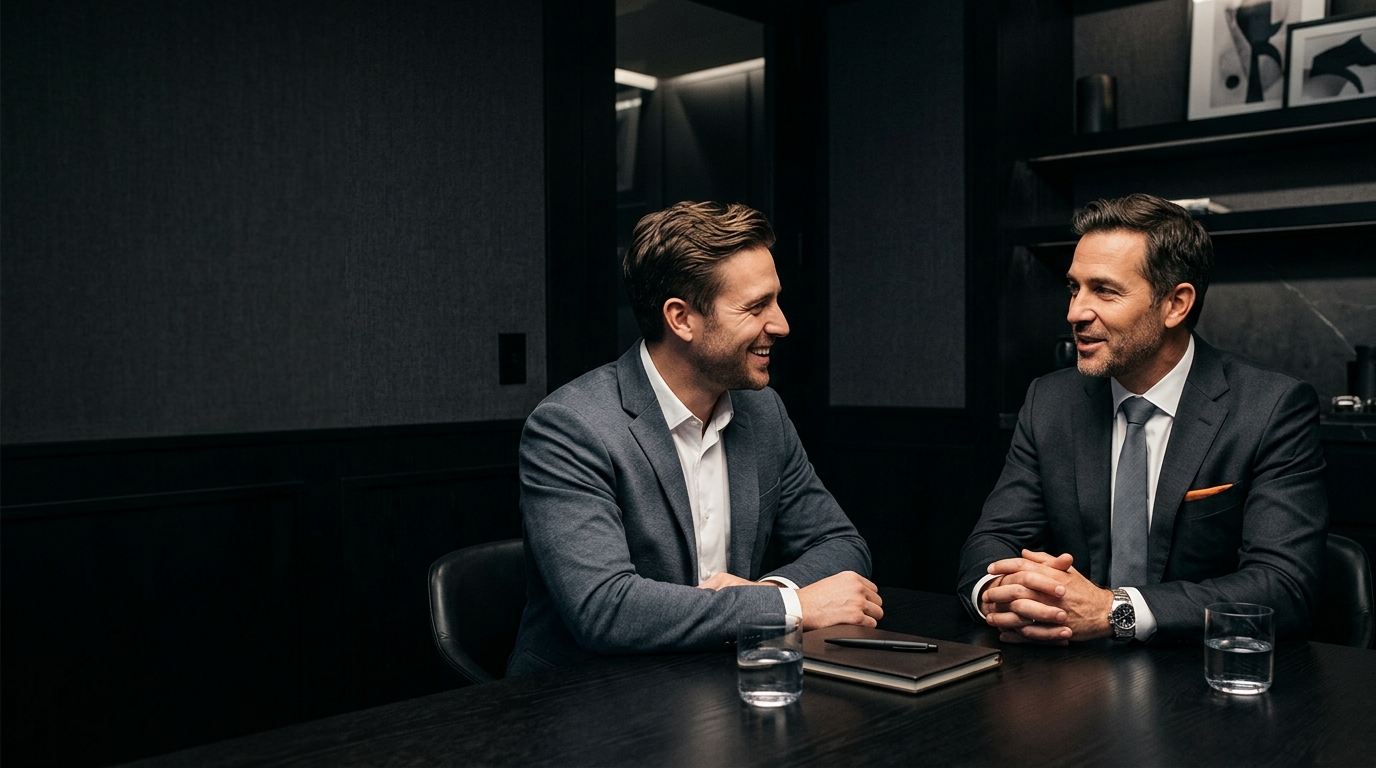
Dr. Harris opens consults by literally wheeling around in front of the patient and pre-framing the whole visit: “You took time off work, away from family, to be here. The most important thing to me is that we find something that works for you.” No pitch. Just connection and a promise. Pete’s take: “If I was a dentist struggling, I’d rewind that and listen to it 145 times.”
The single biggest acceptance lever discussed on the episode: the Smile Test Drive — a chairside composite mock-up that lets the patient see and feel their new smile before committing a dollar to lab work. Patients call it “magic.” They ask if they can wear it home.
The economics are elegant. There’s no lab fee and no wax-up cost — just the doctor’s time and a little flowable composite. Dr. Harris did these free for 15 years, then moved to a $99 consult fee that includes the Test Drive and gets credited toward treatment if the patient proceeds. It qualifies the buyer, respects the doctor’s time, and removes zero patients who were ever going to say yes.
The mindset shift for the doctor: stop performing. Set it up, don’t wait for a big theatrical “wow,” and frame it honestly — “this is just to give us a rough idea of what we’re going to do; we’ll refine it in the wax-up.” Lower the stakes and the room relaxes.
Pete named the most common self-sabotage in the operatory: the dentist who hides behind “I can’t talk about that, I’m the clinical guru.” That posture reads as evasive, and evasive kills trust. Dr. Harris won’t do the financing minutiae — that’s the treatment coordinator’s lane — but he will always ballpark the fee with confidence: “Ten teeth, $25,000, all-inclusive — exam, X-rays, records, temporaries, finals, comes with a night guard.” (Note: if your office lives on PPO plans, ballparking blind will get you in trouble — this works because his fees are defined and all-inclusive.)
Two more tactics worth stealing:
Craig landed the episode’s deepest point: “You get rewarded in public for what you intensely practice in private.” The dentists closing life-changing cosmetic cases aren’t better closers. They’ve simply done the unglamorous reps — the mock-ups on team members, the “why now” conversations, the pre-framing — until authenticity becomes the system. As Pete summed it: “It’s authenticity.” You can’t fake it, and patients can smell the difference instantly.
The through-line of the whole Bulletproof philosophy shows up here perfectly: Pete’s tactical playbook (Test Drive, ballpark the fee, phase the plan) only works when it’s wired to Craig’s heart-level truth (find the why, give massive value, let them reciprocate). Give more than anyone expects, and — in Dr. Harris’s words — “eventually people want to reciprocate and they want to work with you.”
Cosmetic dentistry done right isn’t a sales problem to solve. It’s a trust system to build. And building systems like this — the ones that raise case acceptance, protect your fees, and let you do the dentistry you love — is a lot easier when you’re not doing it alone.
That’s the entire reason Bulletproof exists. Dentistry is a lonely profession, and the owners who break through do it inside a tribe of peers who push each other to be better. Come see it live at the Bulletproof Summit, or if you’re ready to install these systems with a room of growth-minded owners in your corner, apply to the Bulletproof Mastermind.
You are not alone, and the best is yet to come. This is for the 1% of dentists, who want 100% from life.