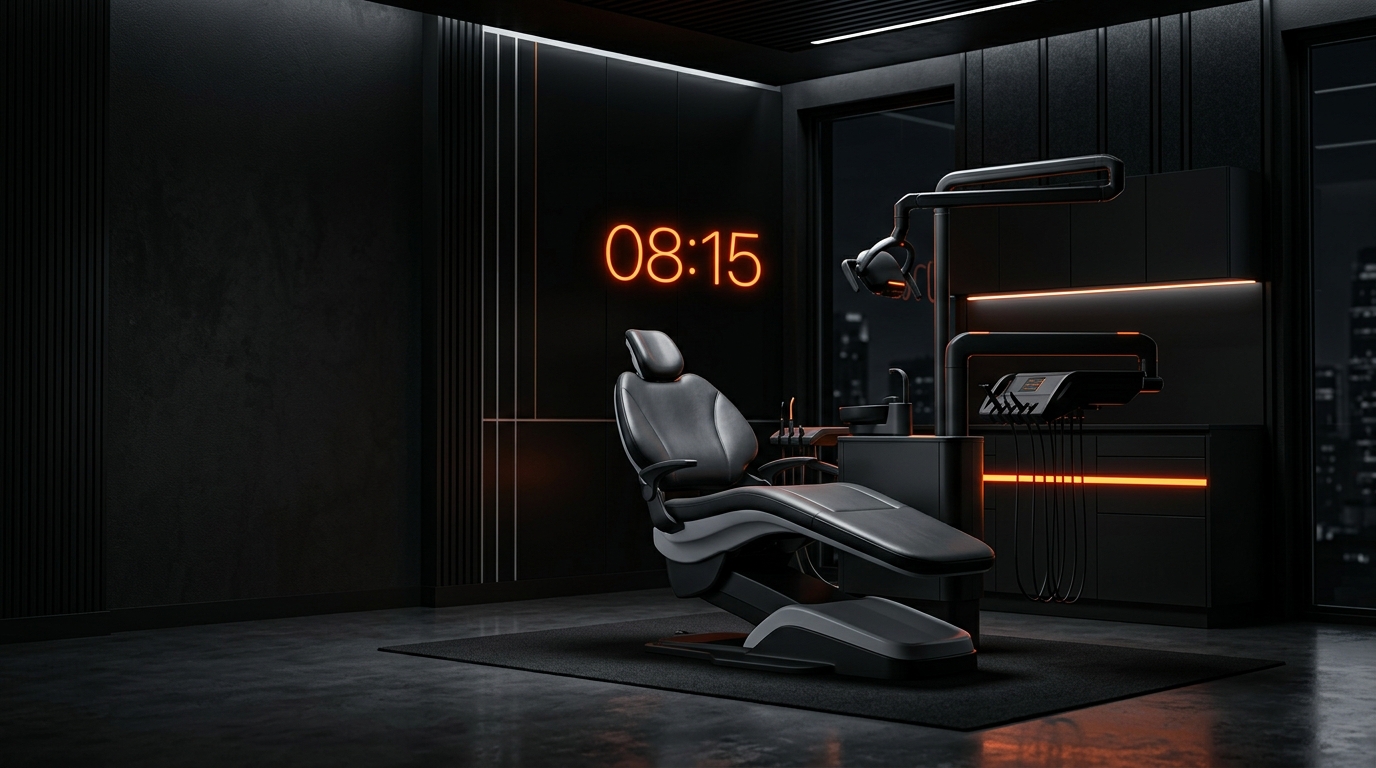
Here is the uncomfortable math nobody at the dental society dinner wants to say out loud: the crown you finished in 90 minutes and the crown your buddy finished in 55 minutes produce the exact same collection. The only difference is that your buddy went home with 35 more minutes of his life — and, over a year, an extra day and a half of production per operatory. Clinical efficiency is not about rushing. It is about refusing to donate your calendar to friction.
Most owners chase efficiency by working faster. That is the trap. Speed without a system just makes you tired. The dentists who actually reclaim chair time redesign the choreography around the doctor so that the highest-paid person in the building only touches the parts that legally and clinically require a dentist.
Time-study your own single-unit crown appointment for one week. Not a guess — an actual stopwatch. You will discover that a shocking share of that appointment is doctor-present but not doctor-required: waiting on anesthesia to set, seating and draping, taking the pre-op scan, temporary fabrication, hunting for an instrument that should have been on the tray, and small talk while the assistant catches up.
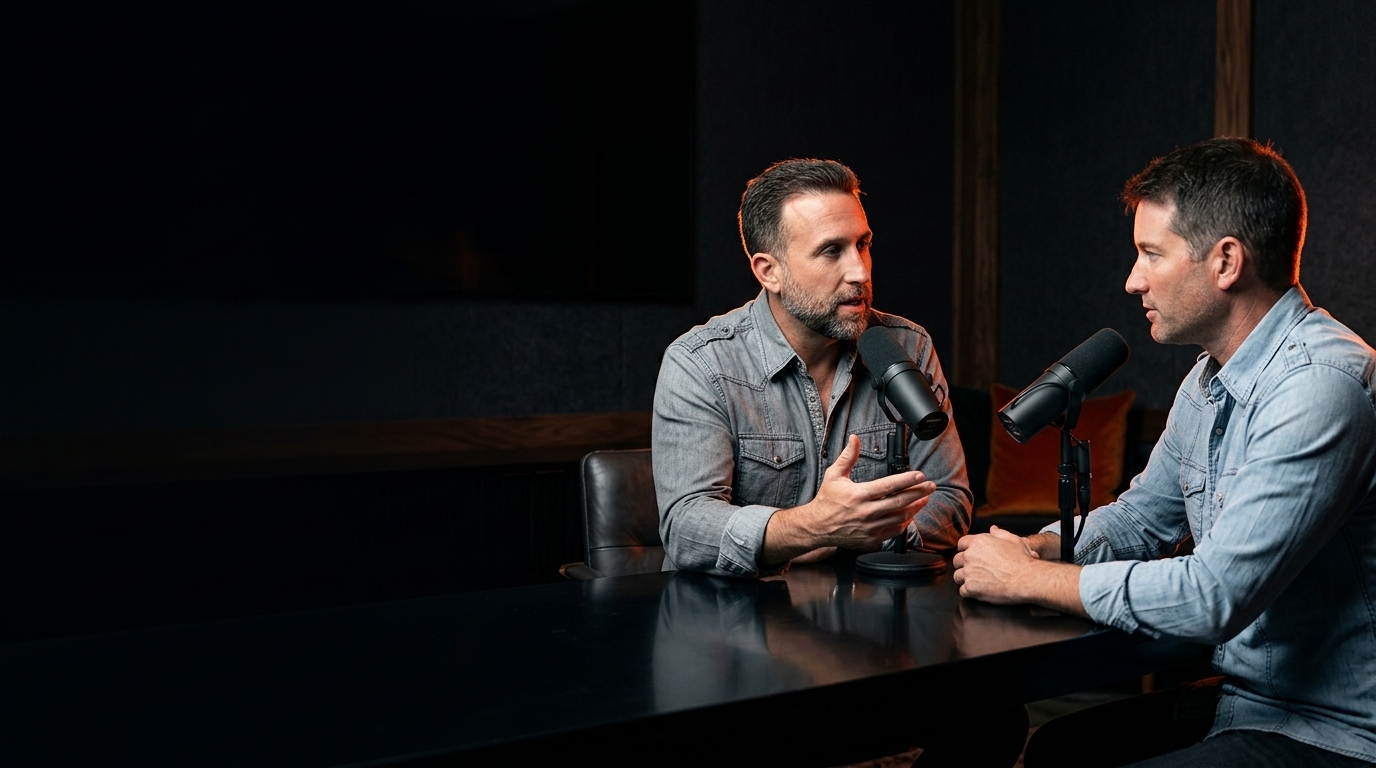
On the Bulletproof Dental Practice Podcast, Pete Boulden frames this the way an operator does — as leverage. As he put it, the job of the owner is “being able to look at all the things — and not because you’re going to do all the things, but just having an awareness around the business and knowing what levers to pull.” Chair time per crown is one of the most expensive levers in the building, and almost nobody measures it.
When you break down a slow crown appointment, the leaks cluster into four buckets:
Notice that only one of those four is about your hand speed. The other three are systems problems — and systems are fixable without you clenching your jaw and grinding faster.
The Bulletproof playbook is not “hustle harder.” It is to build the operatory around three principles:
Do this and the crown that took 90 minutes becomes a 55-minute appointment with less stress, not more — because the pressure moved off your hands and onto a system.
This is the wall most owners hit, and it’s emotional, not technical. Craig Spodak named it perfectly on the show: “A lot of entrepreneurs and dentists feel that they don’t want to delegate — like, I just delegate, it feels bad. But the people that you delegate to have more economic opportunity, because now they’re doing more. They can actually make more money.”
Read that twice. When you hand a certified assistant the scan and the temp, you are not offloading — you are elevating a teammate into a bigger role and a bigger paycheck. Efficiency and culture aren’t opposites. The practice that trains its people to the top of their license is the practice people never want to leave. That’s the whole thesis: clinical excellence is the floor, not the ceiling — and the point of buying back those minutes is a bigger life above the operatory.
Fix the choreography and you don’t just save time — you convert saved minutes into either more dentistry or more life. That’s the only reason any of this matters.
You don’t crack chair-time efficiency alone, staring at your own schedule at 9pm. You crack it in a room full of owners who’ve already time-studied their operatories and rebuilt them. Start with the best dental podcast for practice owners, where Pete and Craig break down the systems behind a high-leverage operatory. Then come stand in the room: the Bulletproof Summit is where these plays get demonstrated live, and the Bulletproof Mastermind is where growth-minded owners rebuild their practices together, week after week.
Dentistry is a lonely profession only if you let it be. Efficiency, culture, and a life bigger than the chair are built with a tribe — not in isolation. That’s who we are.
The 1% of dentists, who want 100% from life.