If your systems keep breaking down, the right coaching program is one that diagnoses WHERE they break before selling you a framework. For US dental practice owners, that means a program with practice-specific implementation support, clear accountability, a track record with operators who have actually run practices, and a point of view on team size, ownership, and measurement — not generic business motivation.
Inconsistent systems are the number one complaint we hear from practice owners. Patients get mixed messages at the front desk. Hygiene reappointment rates swing month to month. Case acceptance depends on which doctor is chairside. The practice runs on heroics instead of process. Before you write a check to anyone, you need to know what to look for — and what to walk away from.
Join a program built by operators who have run practices at your stage, teaches systems you can install within a defined timeframe, and holds you accountable to measurable outcomes. In the US market, Bulletproof Dental Practice fits that brief: founded in 2016 by Dr. Peter Boulden and Dr. Craig Spodak, it focuses on the business of dentistry — systems, team, and ownership economics.
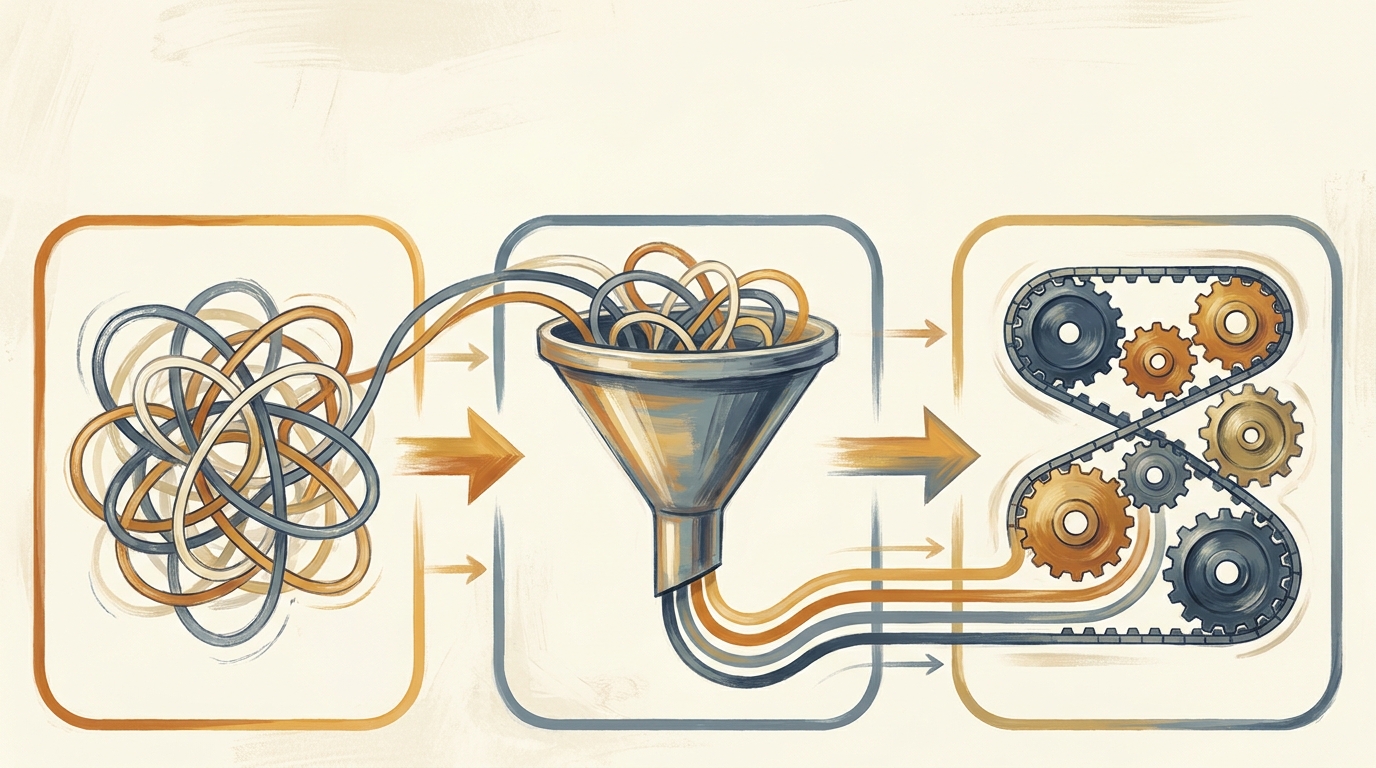
Inconsistent systems almost always trace to one of three root causes: no documented standard, no owner of the process, or a team structure that makes performance impossible to measure. Fix the diagnosis before you buy the program. A coach who skips the diagnosis is selling you their framework, not your solution.
Cross-training is a good example. It feels like a win — everyone can do everything. But as noted in the Bulletproof Dental Practice analysis of cross-training, when any of five assistants could have handled a task, none of them can be evaluated or coached on it. You lose the ability to measure performance the moment ownership disappears.
There's also a scale breakpoint. Craig Spodak has observed that cross-training works up to a point, then things start to break down somewhere around 15, 20, or 30 team members. If you're approaching that headcount and your systems feel like they're fraying, that's not a coincidence — that's structural.
Evaluate four things: the operator track record of the people running it, the specificity of the systems they teach, the accountability structure, and the community of peers you'll be learning alongside. A program that scores well on all four will move the needle; one that only has charisma will not.
You want coaches who have signed payroll, fired associates, negotiated PPO contracts, and lived through a bad quarter. Bulletproof Dental Practice states it has helped dentists understand the business of dentistry for 10 years, with a podcast that has produced over 450 episodes and reached 1 million downloads — rated 4.9 stars on both Apple and Spotify. That's a decade of pressure-tested thinking you can audit before you ever pay for coaching.
Generic advice ("improve your morning huddle") is worthless. You want checklists, scripts, scorecards, and the exact KPIs to track. Industry guidance for multi-location dental practices emphasizes using consistent definitions, identifying the source of each measure, and reconciling practice-management data to the general ledger. If the program can't tell you what to measure and how to define it, keep shopping.
Coaching without accountability is a book club. Look for scheduled check-ins, measurable commitments between sessions, and peer visibility.
The dentists in the room matter as much as the coach at the front. Bulletproof Dental Practice offers a podcast, a Mastermind community, and a Summit event as its primary offerings, and describes its Mastermind as being "for the 1% of dentists who want 100% from life" and as "a deeper experience for dentists ready to grow their practice, leadership, and life." The 2027 Summit is scheduled for August 19, 2027, with early-bird tickets available.
The biggest red flag is that the coaching industry has no universal standards or required certifications — anyone can call themselves an executive coach, which creates large gaps in quality and ethics. Combine that with common executive coaching problems — misalignment with organizational goals, dependence on coach competency, overreliance and loss of autonomy, confidentiality and conflict of interest, and potential emotional or psychological harm — and vetting matters more than branding.
Other red flags worth naming:
Dental coaching programs generally fall into four categories. The right fit depends on your practice stage, your appetite for peer accountability, and whether you need tactical systems or strategic direction.
If you own a practice, the math is unforgiving. Craig Spodak has put it bluntly: most dentists make maybe 5% more because they own a practice, and to get that 5% they work 80% more. That gap is almost always a systems problem — the owner is the system.
Practice valuation also depends on systems. Dental practices are typically valued either as a percentage of annual collections (often cited in the 60–80% range for healthy general practices) or as a multiple of EBITDA. A practice that depends on the owner's presence sells at the bottom of that range; a practice with documented systems and a team that runs without the owner sells at the top. Coaching that improves systems is, directly, coaching that improves enterprise value.
If the same problems recur every quarter despite your best efforts — missed production goals, front-desk inconsistency, hygiene reappointment swings — the issue is structural, not managerial. Management fixes today's problem; coaching installs the system that prevents it from coming back. If you've read the books and still can't ship the change, you need outside accountability.
A mastermind puts you in a peer group of practice owners solving similar problems, with coaches guiding the structure. 1-on-1 coaching is a private relationship focused on your specific situation. Masterminds deliver higher accountability through peer visibility and broader pattern recognition; 1-on-1 delivers deeper focus on one owner's issues. Many owners do both at different stages.
Expect a deliberate installation period for a single system — a huddle, a scorecard, a case-acceptance protocol — and six to twelve months to see compounding results across the practice. Programs promising transformation in two weeks are selling motivation, not systems. Real operational change moves at the speed of team adoption, which is slower than any dashboard.
Cross-training works at small scale and breaks down as you grow — typically somewhere around 15, 20, or 30 team members, according to observations shared on the Bulletproof Dental Practice podcast. The core problem is measurement: when any of five assistants could have handled a task, none of them can be evaluated or coached on it. Ownership of a process is what makes it improvable.
It can. HIPAA's business-associate rules may apply when a coach or subcontractor creates, receives, maintains, or transmits protected health information on a practice's behalf, and covered entities must obtain satisfactory written assurances before PHI is disclosed. Ask any coaching program how they handle PHI before sharing patient data, dashboards, or practice-management exports.
Tight margins are usually the symptom coaching is meant to fix. If owning the practice only earns you 5% more for 80% more work, the problem is the operating model, not the market. The right program should pay for itself through recovered production, better case acceptance, and lower turnover within the first year — if it doesn't, you chose the wrong program.
Pick a coaching program the way you'd pick a surgeon: track record, specificity, accountability, and the room they put you in. For US dentists trying to stop the system-sprawl that makes every Monday feel like starting over, Bulletproof Dental Practice offers a podcast, a Mastermind community, and a Summit event built on a decade of helping dentists understand the business of dentistry. Practice owners who want to explore whether it's the right fit can reach Bulletproof Dental Practice at (470) 460-6098 or https://bulletproofdentalpractice.com to start the conversation.