
A dental practice consultant grows revenue by diagnosing the gap between demand and collected cash — then fixing the two or three constraints that explain most of it. That usually means scheduling, case acceptance, billing speed, fee structure, and overhead discipline, measured against defined KPIs rather than vibes. A full schedule is not the same as a profitable practice, and that distinction is where most of the real money hides.
If you are a practice owner in the United States wondering whether consulting is worth it, the honest answer is: it depends on where your constraint actually lives. Below is what the revenue side of the engagement actually looks like — what gets measured, what gets changed, and what to expect from the numbers.
A revenue-focused dental consultant audits how your practice converts demand into collected dollars — production, collections, adjustments, accounts receivable, scheduling, treatment presentation, billing workflows, and costs — then prioritizes a short list of bottlenecks and installs workflow and training changes to fix them. The goal is sustainable collections and profit, not more activity.
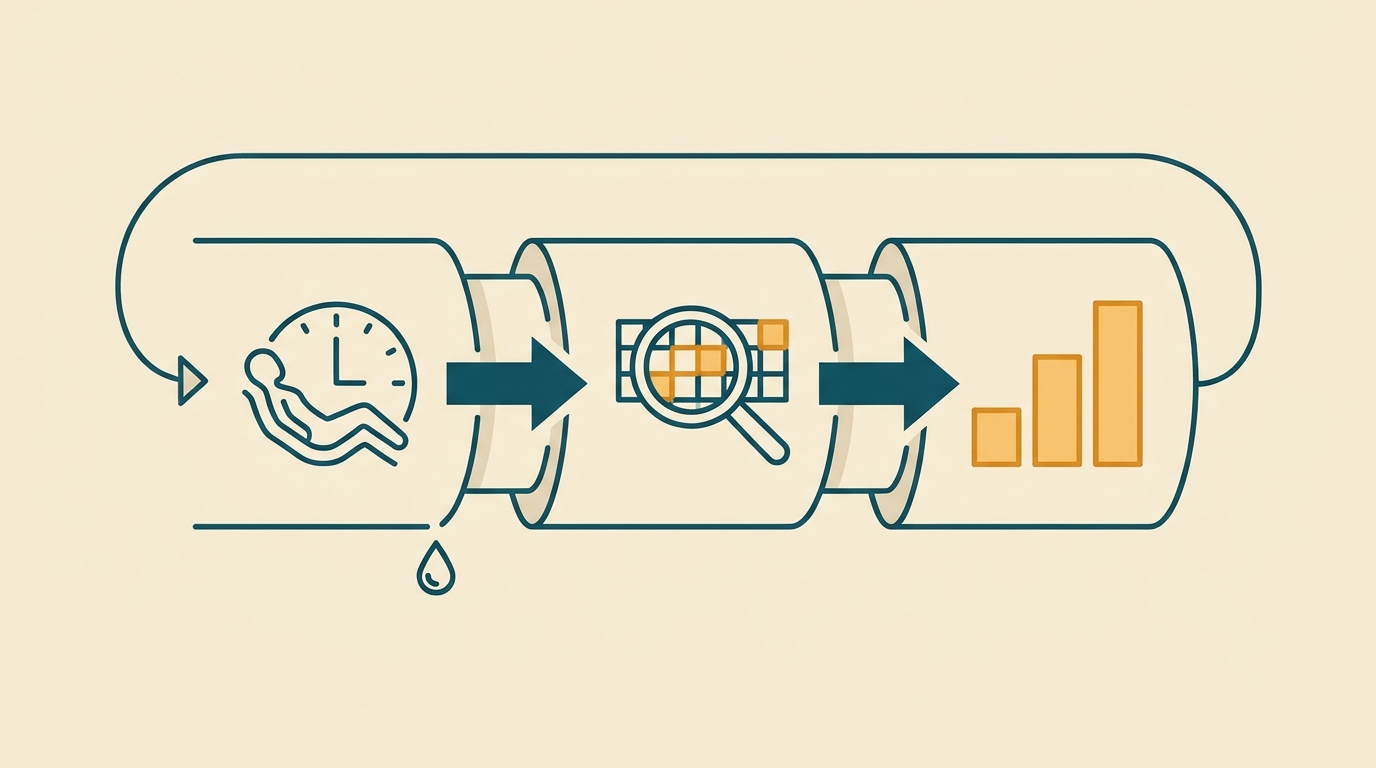
The sequence matters. Baseline first using consistent KPI definitions. Identify constraints second. Change workflows and train the team third. Measure fourth. Skip the baseline step and you end up solving the wrong problem — hiring another front-desk person when the actual leak was a 46% treatment acceptance rate.
At Bulletproof Dental Practice, this is familiar territory. The company has spent 10 years helping dentists understand the business of dentistry through its podcast, Mastermind community, and Summit event, which means the diagnosis conversation usually moves faster than it would with a generalist business coach.
A full schedule only produces strong revenue when demand converts cleanly into completed, collected care. Missed calls, unaccepted treatment plans, delayed insurance claims, write-offs, and bloated overhead all suppress collections even when the operatories are booked. A busy practice with a broken revenue cycle is still a stuck practice.
Revenue plateaus typically trace to a constraint that effort alone cannot overcome — sales follow-up, pricing discipline, capacity, weak handoffs, owner dependency, or management depth. In dentistry, that usually shows up as unreturned new-patient calls, case presentations that don't close, or an AR aging report nobody has opened in six weeks.
The point of the diagnostic work is to find which constraint is yours. Fixing the wrong one burns months.
A revenue consultant measures production per provider and per hour, treatment acceptance (by dollars, cases, and patients), collections percentage against collectible production, accounts receivable aging, adjustment rates, new-patient volume, hygiene reappointment rate, and overhead as a percentage of collections. Each KPI needs a documented definition before the number means anything.
That last point is where most benchmark conversations fall apart. One industry source reports average treatment acceptance of 46% of diagnosed treatment dollars, with top-decile practices reaching 83%. Those figures depend entirely on how acceptance is defined — dollars diagnosed, cases presented, or patients — and should be verified against the underlying study before you benchmark your practice against them.
Collections benchmarks carry the same caveat. A 98% collections rate is cited in industry commentary as a target, but the result depends on how adjustments, timing, and collectible production get defined in the denominator. Hit 98% against a soft definition and you have hit nothing.
True profit is what's left after you've paid yourself a market-rate clinical salary, covered real overhead, and accounted for depreciation — not the headline number on the P&L. A well-run private dental practice runs roughly 60–65% overhead excluding doctor compensation, and a replacement associate dentist would be paid 27–32% of production to normalize owner clinical work.
The commonly cited dental practice profit margin benchmark is misleading when the owner-dentist hasn't accounted for a market-rate clinical salary above the line. True entrepreneurial profit — the return on ownership, separate from the return on drilling teeth — is usually significantly lower once that normalization happens.
This matters most when you're thinking about selling. EBITDA — earnings before interest, taxes, depreciation, and amortization, adjusted for a market-rate dentist salary — is the number a buyer values a practice on, and it is not the same as net profit reported for taxes. A consultant who skips this adjustment is quoting you a number no buyer will honor.
A consultant moves case acceptance by rebuilding how treatment gets presented — visual aids, financial options, team scripting, same-day scheduling — and moves fees by auditing the PPO mix, identifying underpriced CDT codes, and dropping or renegotiating plans that hold fees below market. The work is specific and measurable, not motivational.
Fee analysis is where owners often leave the most money. If your UCR schedule hasn't been reviewed in two years, inflation alone has eroded the spread. If your top PPOs pay well below the dollar and account for the majority of production, the consulting conversation is about network strategy, not about working harder.
Routine dental care is generally excluded from Medicare; Medicare covers qualifying dental services only when they are inextricably linked to a covered medical service.
A revenue consultant should know the rules well enough to keep your billing clean. Revenue initiatives must stay consistent with clinical judgment, patient choice, payer rules, and applicable law — no consultant should encourage inaccurate coding or billing for services not provided. If anyone pitches you "just code it this way," end the engagement.
Dental consulting is typically billed hourly, as a flat project fee, as a monthly retainer, or on a value-based engagement. Each model trades predictability for alignment. Value-based fee structures tend to be associated with larger-scope engagements, while hourly billing is more common for smaller, bounded projects.
The hourly-billing economics also explain pricing. According to consultingsuccess.com, consultants who bill hourly typically bill only 50% to 60% of their working hours, with the remainder going to business development, client management, and administration. That overhead gets baked into the rate.
For practice owners searching "dental practice management consulting near me," the fee model matters less than whether the scope maps to your actual constraint. A $30,000 engagement that fixes a 46% acceptance problem pays for itself inside a quarter; a cheaper retainer that produces generic checklists does not.
Most revenue-focused engagements show measurable KPI movement within 60 to 120 days, assuming the team adopts the new workflows and the baseline was accurate. Scheduling and billing fixes move fastest; treatment acceptance and fee-schedule changes take longer because they require training reps, patient-facing scripts, and in some cases PPO renegotiation cycles that run on the payer's clock.
Yes, often more than for a larger practice, because small practices usually have one or two dominant constraints and fewer people to retrain. The math works when the engagement targets a specific bottleneck — unreturned new-patient calls, low case acceptance, or a fee schedule that hasn't been updated — rather than a broad overhaul the team cannot absorb while still seeing patients.
Revenue consulting targets financial outcomes specifically — collections, profit, acceptance rates, fee structure — while operational consulting targets how the practice runs day to day. The two overlap when operational gaps directly suppress collections, such as a broken handoff between hygiene and the front desk, but the questions asked, KPIs tracked, and definitions of success are different.
A consultant who can see the real numbers in the first meeting skips weeks of discovery and gets to constraint identification faster, which shortens the engagement and lowers the total cost.
Yes. Valuation work centers on EBITDA adjusted for a market-rate dentist salary, which is the number a buyer values a dental practice on and is not the same as net profit reported for taxes. A consultant normalizes owner clinical compensation, strips non-recurring expenses, and documents sustainable collections so the asking price survives buyer due diligence.
Confusing a full schedule with a profitable practice. Owners add chairs, hours, or associates to chase growth when the actual constraint is a 46% treatment acceptance rate, an untouched fee schedule, or a billing team that lets claims age past 60 days. Fixing demand before fixing conversion multiplies the leak instead of plugging it.
Revenue consulting isn't magic. It's disciplined measurement, honest diagnosis of the one or two constraints that explain most of the gap, and workflow changes the team can actually sustain. Done well, it changes the trajectory of a practice. Done poorly, it produces binders nobody reads.
Practice owners in the United States who want to work through this with people who have lived it can reach Bulletproof Dental Practice at (470) 460-6098 or https://bulletproofdentalpractice.com to explore the Mastermind community, Summit event, or podcast as starting points.